

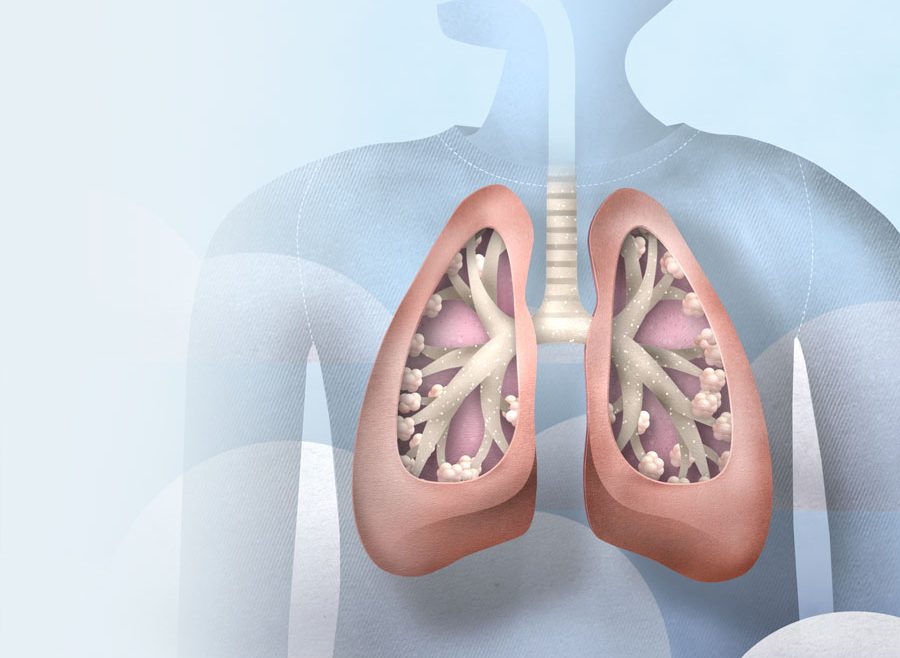
Respiratory Rehabilitation, also known as Pulmonary Rehabilitation, is a specialized program designed to improve lung function, respiratory symptoms, and overall quality of life for individuals with chronic respiratory conditions. These conditions often result in breathing difficulties, reduced lung capacity, and limitations in physical activity. Respiratory rehabilitation is a multidisciplinary approach that combines exercise training, education, and support to help individuals manage their respiratory conditions more effectively.
This type of rehabilitation is particularly beneficial for people with conditions such as:
Chronic Obstructive Pulmonary Disease (COPD): Including conditions like emphysema and chronic bronchitis, which can cause breathing difficulties and reduced lung function.
Asthma: Individuals with asthma can benefit from respiratory rehabilitation to improve lung function, control symptoms, and learn how to manage exacerbations.
Interstitial Lung Disease: These conditions involve scarring of lung tissue, leading to reduced lung capacity and breathing difficulties.
Cystic Fibrosis: A genetic disorder affecting the respiratory and digestive systems, where respiratory rehabilitation can improve lung function and overall health.
Bronchiectasis: A chronic condition characterized by damaged airways that can result in persistent respiratory symptoms.
Lung Cancer: Individuals who have undergone lung cancer treatment may benefit from respiratory rehabilitation to improve lung function and overall fitness.
Pulmonary Hypertension: A condition where blood pressure in the pulmonary arteries is elevated, putting strain on the heart and lungs.
Respiratory rehabilitation programs typically consist of the following components:
Exercise Training: Structured physical exercise programs that focus on improving cardiovascular fitness, muscle strength, and endurance. Exercises are tailored to each individual’s capacity and needs.
Breathing Exercises: Teaching techniques to improve breathing control, manage shortness of breath, and enhance lung capacity.
Education: Providing information about the respiratory condition, medication management, self-care, symptom recognition, and energy conservation strategies.
Nutritional Counseling: Offering dietary guidance to support optimal respiratory health and maintain a healthy weight.
Psychological Support: Addressing anxiety and depression often associated with chronic respiratory conditions, and providing coping strategies.
Oxygen Therapy: If needed, guidance on the proper use of supplemental oxygen and managing oxygen therapy.
Lifestyle Modification: Assisting individuals in quitting smoking and adopting healthy lifestyle habits that support respiratory health.
Counseling: Offering emotional support and coping strategies to manage the emotional impact of living with a chronic respiratory condition.
Monitoring: Regularly assessing lung function, symptoms, and overall progress to adjust the program as needed.
Respiratory rehabilitation aims to enhance respiratory function, improve exercise tolerance, alleviate symptoms, and empower individuals to better manage their condition. By providing a supportive environment and comprehensive approach, individuals with chronic respiratory conditions can experience improved quality of life, increased independence, and a better ability to engage in daily activities.