

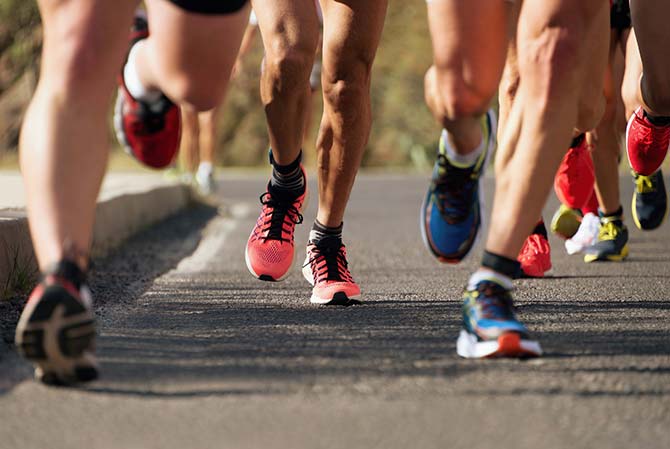
An Athlete Training and Fitness Program is a structured and customized regimen designed to enhance the physical performance, skills, and overall health of athletes. These programs are tailored to the specific needs, goals, and sport-specific requirements of individual athletes. Whether amateur or professional, athletes benefit from comprehensive training plans that encompass strength, endurance, agility, flexibility, and mental conditioning to optimize their performance and minimize the risk of injuries.
Key components of an effective Athlete Training and Fitness Program include:
Assessment: Evaluate the athlete’s current fitness level, strengths, weaknesses, and any pre-existing injuries to create a baseline for designing the program.
Goal Setting: Defining clear and achievable short-term and long-term goals, such as improving speed, endurance, agility, strength, or skill proficiency.
Periodization: Structuring the program into phases, such as off-season, pre-season, in-season, and post-season, each with specific training focuses and intensities.
Strength Training: Incorporating resistance exercises to build muscle strength, power, and endurance, tailored to the athlete’s sport and position.
Cardiovascular Conditioning: Developing aerobic and anaerobic fitness through activities like running, cycling, swimming, or interval training.
Agility and Speed Training: Enhancing quick directional changes, reaction time, and speed through drills, sprints, and plyometric exercises.
Flexibility and Mobility: Incorporating dynamic and static stretches to improve range of motion and prevent injuries.
Sport-Specific Skills Training: Practicing skills and techniques relevant to the athlete’s sport, focusing on improving proficiency and execution.
Nutritional Guidance: Providing personalized dietary recommendations to support energy levels, recovery, and performance.
Hydration and Recovery: Educating athletes on proper hydration strategies and emphasizing recovery techniques like rest, foam rolling, and active recovery.
Mental Conditioning: Incorporating strategies such as visualization, goal-setting, and focus training to enhance mental resilience and performance under pressure.
Injury Prevention: Including exercises that target muscle imbalances, stability, and flexibility to reduce the risk of common sports-related injuries.
Monitoring and Adjustments: Regularly tracking progress through performance metrics, assessments, and feedback, and making necessary adjustments to the training program.
Rest and Periodic Rest Days: Ensuring adequate rest and recovery days to prevent overtraining and promote muscle repair and growth.
Cross-Training: Incorporating activities from other disciplines to enhance overall athleticism and prevent overuse injuries.
Communication: Maintaining open communication between the athlete, coaches, and support staff to address concerns, adjust the program, and provide guidance.
An athlete’s training program should be dynamic and adaptable, evolving as the athlete’s goals and performance improve. Personalization is crucial, considering factors like age, fitness level, training history, and specific sports demands. Collaboration between the athlete, coaches, trainers, and medical professionals is essential to ensure a well-rounded and effective training regimen that maximizes performance and minimizes the risk of injuries.